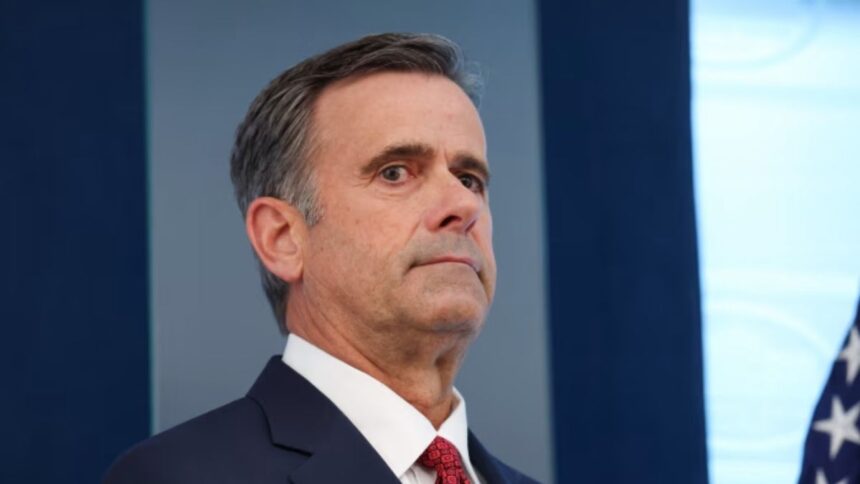
CIA Director John Ratcliffe made a previously unannounced trip to Moscow this week to warn Russian officials against attacking NATO member states, according to multiple US media reports, amid intelligence assessments that Moscow could test the alliance’s collective defence in the coming years.
A Warning Amid Rising Concern
Ratcliffe’s visit, his first publicly known trip to Russia since becoming CIA director, came to light Tuesday after a US Air Force jet was spotted arriving at a Moscow airport and footage of a diplomatic motorcade circulated on social media. CBS News, the Wall Street Journal, Politico and CNN separately reported that Ratcliffe warned Russian officials not to stage an attack on NATO territory, based on a US intelligence assessment that Russia, weakened by its prolonged war in Ukraine, could attempt a limited test of the alliance, potentially targeting a Baltic state through a cyberattack, sabotage or small-scale incursion.
CBS News reported that Ratcliffe also raised the issue of Iran during his discussions, warning that additional US sanctions could follow if the Strait of Hormuz remains restricted to shipping traffic, and separately urged Russia to reduce its economic and military support for Tehran.
Russia’s Response
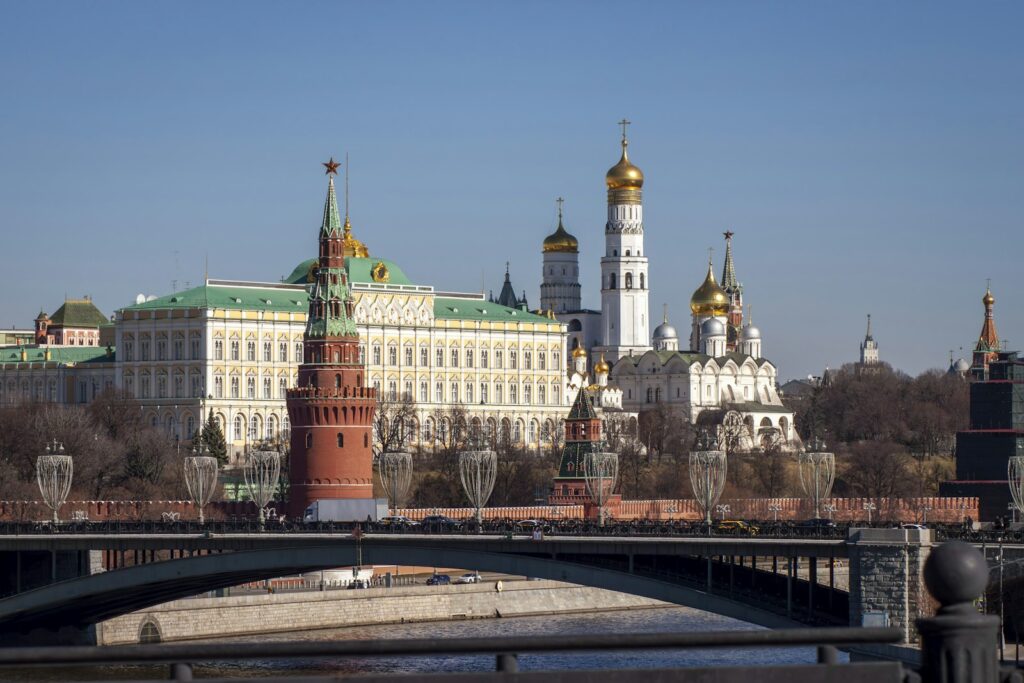
Kremlin spokesperson Dmitry Peskov confirmed that Ratcliffe met with Russian intelligence officials but said he did not meet President Vladimir Putin, describing the contact as “more or less at the level that is customary for such visits.” Russian Foreign Intelligence Service Director Sergey Naryshkin confirmed meeting Ratcliffe and called the discussions “regular,” according to Russian state media. Peskov later dismissed media reports characterising the purpose of the trip, telling reporters that “a lot of such scare stories are being published right now.”
President Trump, addressing the visit in an interview with radio host Glenn Beck, described Ratcliffe’s meetings with Russian intelligence figures as “semi-routine” and said the trip was not related to Iran or to Russian intentions toward NATO, though he added that “something may come out of” the visit given his broader push to end the Russia-Ukraine war.
Allied Reaction
Baltic officials struck a measured tone in response to the visit. Estonian Foreign Minister Margus Tsahkna said the trip “should not be seen as pivotal” but represented an opportunity to send a clear message to Moscow, adding that “the best deterrent is a united and strong NATO.” Latvian Foreign Minister Baiba Braze said there were no direct military threats at present but that Russia’s aggression in Ukraine and rising hybrid activity against NATO allies left no room for complacency.
US officials said Washington would brief NATO allies on details of the visit in the coming days. US Undersecretary of Defense for Policy Elbridge Colby met NATO Secretary-General Mark Rutte in Brussels on Friday, ahead of a broader meeting of the North Atlantic Council with allied ambassadors.
Why It Matters
The rare high-level contact between a senior Trump administration official and Russian intelligence leadership underscores how seriously Washington is treating the prospect of Russian escalation beyond Ukraine, even as the administration publicly downplays the visit’s significance. Whether the warning changes Moscow’s calculus, particularly regarding the Baltic states, remains to be seen.