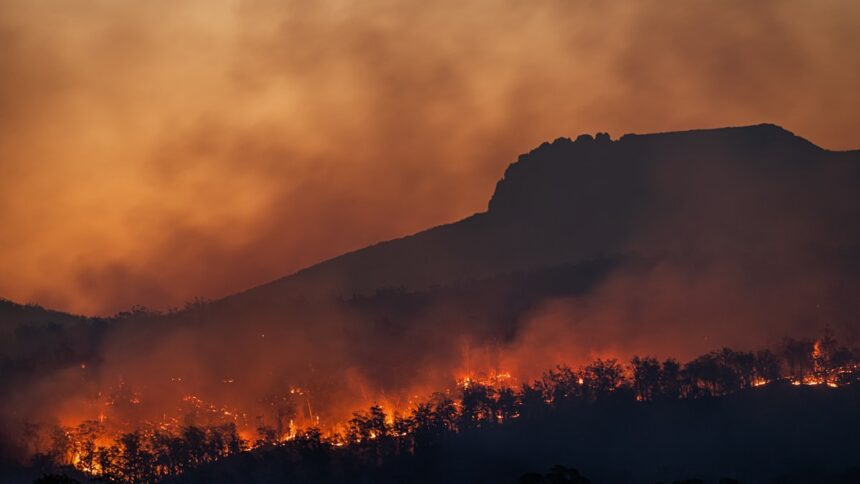
Europe is living through another brutal fire season. As of mid-August 2026, more than 567,000 hectares have burned across the EU, and the summer is not over yet. That puts 2026 behind only the catastrophic 2025 season for this point in the year, and well above the 20-year average.
France, Spain, Greece, Croatia and even the United Kingdom have all seen major fires this summer. Here is what is actually happening, why it keeps getting worse, and where things stand right now.
Where the European Wildfire Season 2026 Stands Right Now
According to the EU Joint Research Centre, the burned area across Europe reached roughly 567,000 hectares by 12 August 2026. That is below the record set in 2025 at the same point (over 775,000 hectares), but far above the two-decade average of around 243,000 hectares.
- France: A blaze that started near Saumos on 22 July has burned about 42,000 hectares, making it the largest wildfire in the country since World War II. French officials said crews were battling 30 to 40 separate wildfires a day at the peak.
- Spain: A major fire west of Madrid, affecting the Avila region, burned around 50,000 hectares and has been called the largest wildfire in Spanish history. More than 100,000 people were evacuated or confined to their homes across Madrid, Avila, Toledo and Castellon.
- Greece: Crete faced some of the worst fires of the season, with more than 200 firefighters deployed at once.
- Croatia and the UK: A wildfire injured dozens near a Croatian tourist town in mid-August, while England saw an unusual blaze spread toward homes and a golf course near Stourbridge.
The Human Cost Keeps Climbing
The 2026 wildfire season has already proven deadly. Spain recorded at least 15 wildfire-related deaths in July alone. Greece lost six firefighters during the season, including two crew members killed when firefighting helicopters collided near Athens in early August. Hundreds of thousands of residents and tourists have been displaced from affected regions across the Mediterranean.
What Is Actually Driving the Fires
Heat is the biggest factor. June 2026 was the hottest June ever recorded for Western Europe, running roughly 3 degrees Celsius above the historical average, with some areas in France and Germany spiking as much as 9 degrees above normal. Southern Spain hit 45.1 degrees Celsius at one point, and France recorded its hottest day since national records began in 1947.
Scientists at World Weather Attribution, an international research collaboration, concluded that human-caused climate change was a key driver of the extreme fire conditions in France and Spain this year, largely through its effect on temperature and drought.
A wet winter followed by an unusually dry spring and summer created what researchers describe as a dangerous combination: plenty of vegetation growth early in the year, followed by heat and drought that turned that same vegetation into dry fuel.
Land Abandonment Is Quietly Making Things Worse
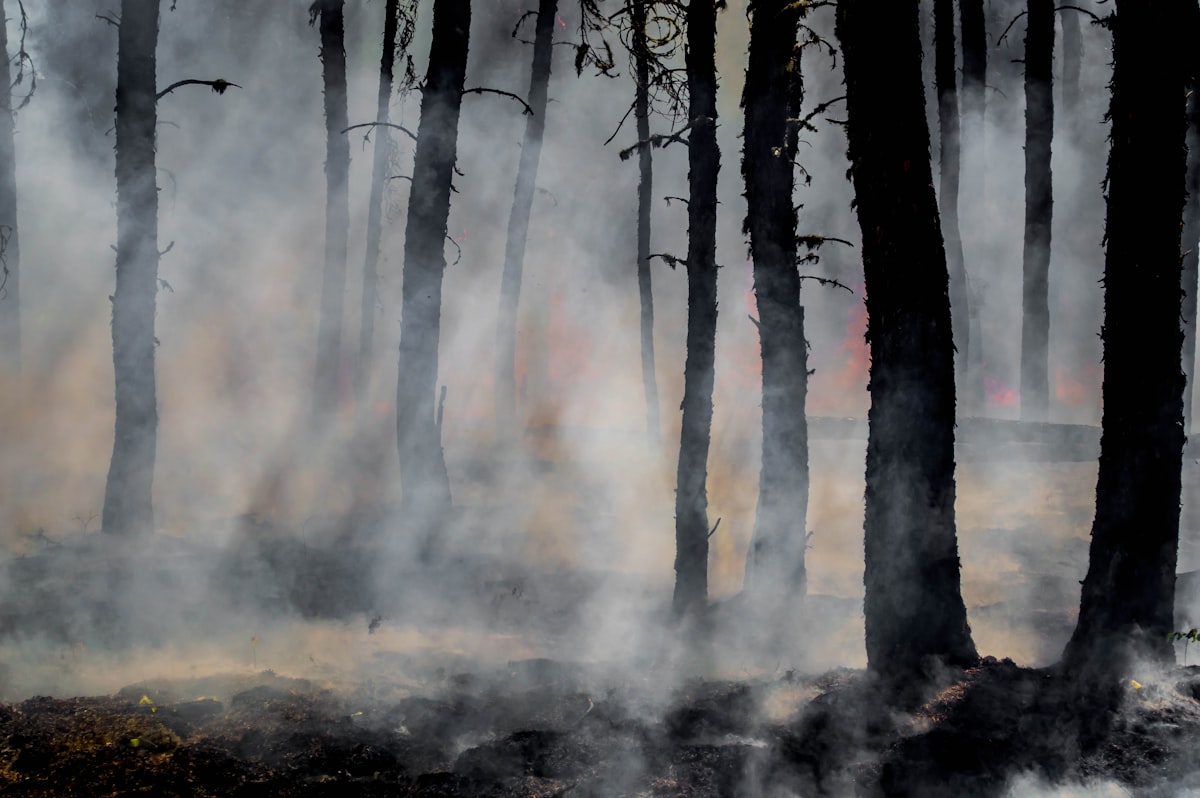
Climate is not the only factor at play. Across large parts of rural Europe, decades of population decline have left forests and scrubland without the grazing, clearing and maintenance that once kept vegetation in check. As villages empty out, dead wood and dense undergrowth accumulate, giving fires more material to burn and making them harder to control once they start.
Experts note that Europe cannot fully fix this through firefighting alone. Forest management plans typically span decades, while the climate conditions driving fire risk are shifting far faster than that.
No, Europe Is Not Having a Quiet Wildfire Year
Some viral social media posts this summer claimed 2026 was actually one of the calmest wildfire years on record in Europe. Fact-checkers traced the confusion back to datasets that include Russia, where fires typically account for 80 to 90 percent of the total burned area across the wider European region. Russian wildfire activity has been well below average this year, which distorts continent-wide totals and masks what has actually been a near-record season across the EU itself.
What Happens Next
Forecasters expect elevated fire danger to continue through the rest of August, with very extreme conditions currently stretching from Germany and the Alps into Poland and the Balkans. Large parts of central and eastern Europe remain in drought, and river levels in the Danube and other major waterways have dropped to record lows in places.
Officials and researchers are increasingly pointing to the same conclusion: firefighting capacity alone cannot keep pace with how these fires are evolving. Prevention, land management and long-term climate adaptation are being described as the only realistic path to reducing the damage in the years ahead.