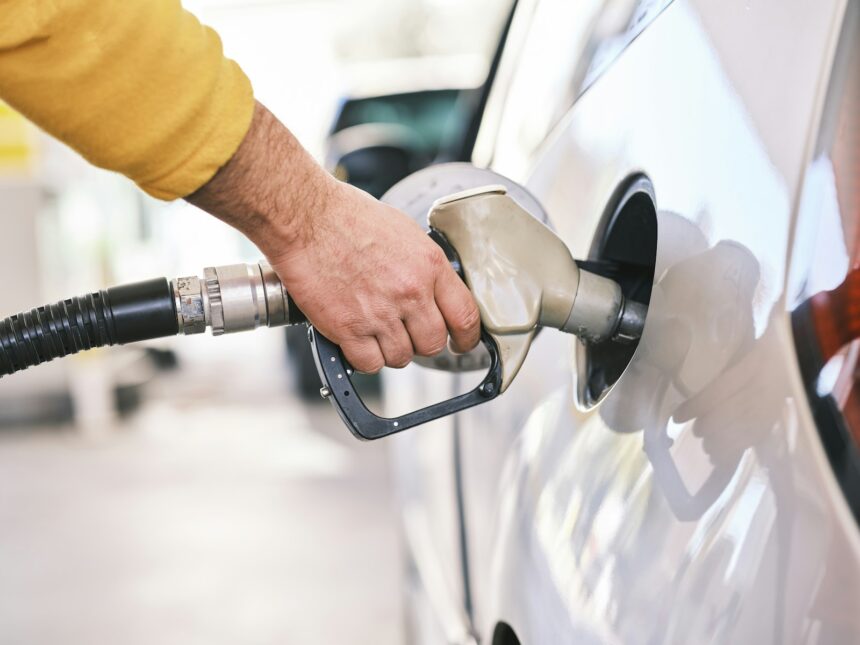
The government has once again revised petrol and diesel prices for Pakistani consumers, raising petrol by Rs0.27 per litre and high-speed diesel (HSD) by Rs1.64 per litre under a notification that took effect on August 21, Dawn reported, citing the Petroleum Division.
A Fortnight of Frequent Adjustments
The latest change is the third adjustment to fuel prices in as many days. On August 19, the government raised petrol by Rs3.34 and HSD by Rs5.27 per litre. A day later, on August 20, diesel prices were cut sharply by Rs32.63 while petrol rose by a further Rs2.97, according to Dawn’s reporting of successive Petroleum Division notifications. Pakistan reviews petrol and HSD prices on a fortnightly basis, but the pace of recent changes reflects how volatile international oil markets have become.
Global Oil Markets Under Pressure
Pakistan imports the bulk of its petroleum needs, which means domestic pump prices move in step with international crude benchmarks and the rupee’s exchange rate. Dawn has reported that Brent crude has been climbing in recent weeks amid a stalemate in the Middle East conflict and uncertainty around the Strait of Hormuz, a critical route for oil shipments. Pakistani refiners have also been adjusting their crude sourcing, with the country’s largest refiner expanding US crude imports to offset disruption risks tied to the Hormuz situation.
Petrol and diesel are politically sensitive in Pakistan because they feed directly into transport costs, electricity generation and the price of everyday goods. Even small per litre changes are watched closely by commuters, transporters and traders across the country.
Levy and Tax Pressure Add to the Squeeze
Separately, the Jamaat-e-Islami (JI) has criticised the government’s petroleum levy, describing it as an “extortionary tax,” and has announced a shutter down and wheel jam strike in protest, according to Dawn. The party has said it wants the daily and fortnightly increases in fuel prices to stop.
The Petroleum Division typically issues its notification late in the evening before a new pricing cycle begins, with the revised rates taking effect from midnight. Consumers and transporters generally see the practical impact within a day, as fuel stations update pump prices and transport fares are adjusted in response.
What It Means for Consumers
While Thursday’s increase is smaller than the jumps seen earlier in the week, it adds to a cumulative rise in fuel costs this month. Households already dealing with high living costs are likely to feel the effect through higher fares and freight charges, even as the government points to global crude prices and exchange rate pressures as the main drivers behind the adjustments.