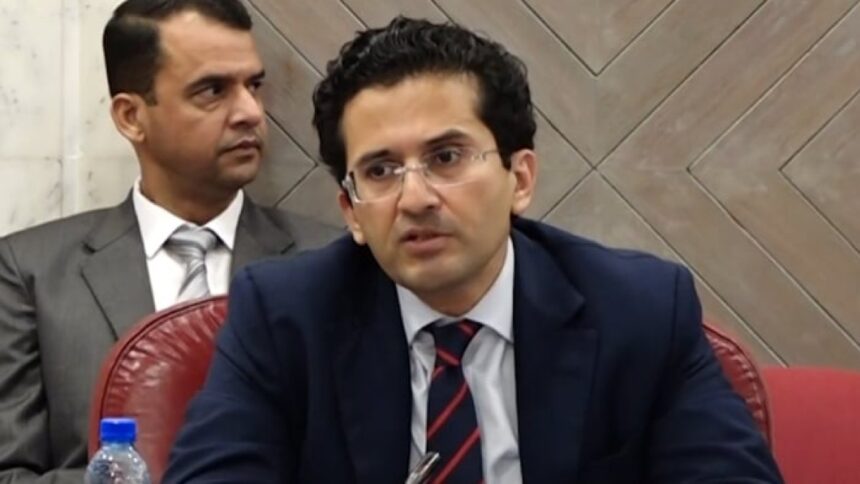
Pakistan’s government cannot change its petroleum levy targets without consulting multilateral partners, Petroleum Minister Ali Pervaiz Malik told lawmakers on Thursday, Geo News reported. Malik spoke at a National Assembly Standing Committee on Petroleum meeting in Islamabad. Meanwhile, the petroleum levy has become a flashpoint as fuel prices stay near record highs.
What the minister said
Levy targets are set in the budget, Malik explained. The levy counts as non-tax revenue, and the government cannot alter it on its own.
Regional tensions had disrupted supplies of petrol, diesel and crude, according to the minister. Calling it a major crisis, Malik said the diesel price is the highest the world has seen.
The government understands the public’s difficulties, the minister said. Still, he argued that the state improved the supply chain and ended profiteering. A diesel price of Rs600 a liter would have caused an uproar, in his view.
Product prices are set by the Oil and Gas Regulatory Authority (OGRA), not by the government. For details, Malik pointed to OGRA’s website.
Lawmakers question the burden
Committee member Saif-ul-Mulook Khokhar questioned the high levy on petrol and diesel. In his words, it is a heavy burden on the public and an easy way to collect tax.
Diesel availability matters more than petrol, committee chairman Mustafa Mahmood said. Agriculture and goods transport depend on it.
PPP leader Naveed Qamar noted that parliamentarians do not vote on the levy because the executive controls it. Qamar also questioned the government’s role in price setting. Pricing moved from a 30-day formula to a 15-day one, and then to daily pricing.
Refinery output and winter plans
The minister gave figures on local capacity. About 70 percent of diesel is refined in Pakistan. PARCO is running at full capacity, while Pakistan Refinery is at 84 percent and National Refinery is at 85 percent.
Four refineries have signed agreements to produce Euro V fuel, and talks are under way with another. Additionally, the government is preparing a daily winter plan.
Gas supplies were ensured for consumers during meal times despite difficult conditions, Malik said. As a result, officials say the fuel supply chain is being digitalized.
What it means for consumers
Petrol has already reached Rs398.96 a liter. Global diesel markets also remain tight. A new US deal for Russian diesel may ease some pressure. Our report on the Trump Putin diesel deal explains why analysts expect only a small price effect.
Sources: Geo News, National Assembly of Pakistan.