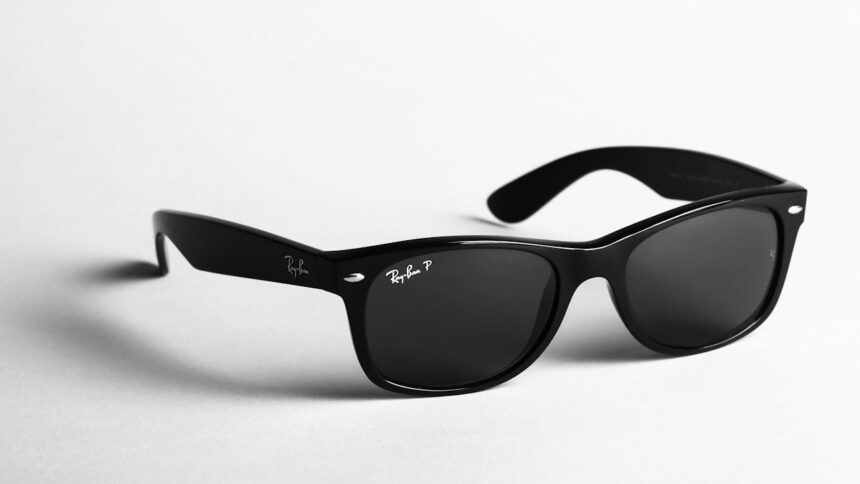
Global shipments of AI-powered smart glasses without built-in displays jumped 263% in the first half of 2026, according to a new report from Counterpoint Research, a sign of how quickly the wearable category has moved from novelty gadget to mainstream tech accessory.
Meta accounted for 94% of that display-less segment, the research firm found, with its shipment volumes growing 260% year over year. Xiaomi and Alibaba each took a 1% share, with other brands splitting the remaining 4% between them.
Meta’s dominance comes with growing scrutiny
Meta’s first-generation smart glasses, released with Ray-Ban, struggled to find an audience. Its second-generation devices have fared far better. Earlier this year, EssilorLuxottica chief executive Francesco Milleri said the companies had sold more than 7 million AI glasses in 2025 alone, putting a target of 10 million annual sales within reach by the end of 2026.
That success has not come without controversy. Meta’s camera-equipped glasses have increasingly been labeled “perv glasses” online, a nickname that has stuck as reports of non-consensual filming and harassment have drawn wider attention. Unlike a smartphone camera, a small lens built into eyewear gives people around the wearer little warning they may be recorded, a gap that privacy advocates in several countries say existing consent laws were not written to cover.
Rivals are only now gearing up
For most of the past year, Meta has effectively had the display-less AI glasses market to itself while competitors built out their own hardware. Apple is reportedly developing a rival pair of display-less glasses aimed at Meta’s Ray-Ban lineup, targeting a 2027 launch built around Siri and Apple Intelligence, with cameras, microphones and speakers embedded in the frame. A more advanced version with an augmented reality display is said to be further out.
Counterpoint expects the competitive picture to shift as Google, Samsung and Apple ramp up investment, pushing the category toward what it calls “agentic” glasses, devices capable of more proactive, context-aware assistance as voice interaction and low-power sensing hardware improve.
The AR segment tells a different story
Counterpoint’s report also tracked a separate category it defines as AR and AI glasses, devices built with an actual display and optical components for a see-through experience. Shipments there rose 449% year over year, a faster pace than the display-less segment but from a much smaller base.
Here, Meta does not lead. Chinese firm Rokid held 41% of the segment, followed by Meta at 37%, Even Realities at 11% and Alibaba at 7%. China accounted for 45% of shipments in this category, ahead of North America at 41%, a split that points to a more regionally fragmented race than the one playing out in display-less glasses, where North America and Western Europe together made up nearly 80% of volume.
Why it matters
The numbers point to smart glasses becoming the first wearable category since the smartwatch to gain real commercial traction, but the privacy backlash facing Meta’s devices suggests hardware adoption is outpacing the social and regulatory norms around it.
Counterpoint itself expects that tension to shape the next generation of products, predicting a wider range of designs aimed at addressing camera concerns, including audio-only AI glasses with no camera at all and models that use cameras mainly for contextual understanding rather than continuous recording.
For an industry that spent much of the past decade searching for a wearable to succeed the smartwatch, that would mark a notable shift, one where privacy engineering, not just battery life or display quality, decides which products win.