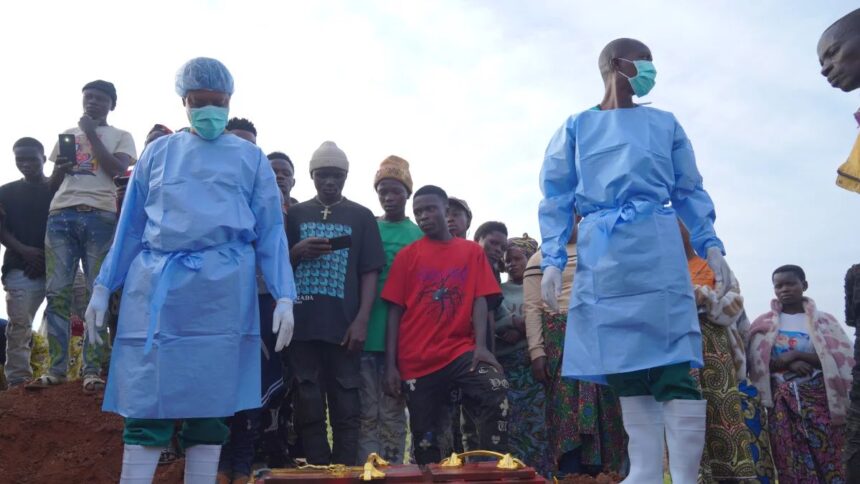
More than 300 people died of Ebola in eastern Congo over the past week, one of the highest weekly tolls yet recorded, as health workers struggle to keep pace with what officials describe as the fastest-growing Ebola outbreak in history.
The Numbers
Congo’s Ministry of Health said Monday that as of Saturday, the outbreak had recorded 5,514 confirmed cases and 2,642 deaths since it began, including 317 deaths reported in the previous seven days alone. Congolese health experts have cautioned that the true scale of the outbreak, which began spreading weeks before it was officially confirmed, could be up to three times larger than the recorded figures suggest.
The outbreak has already recorded seven times more deaths at this stage than the 2014-2016 West Africa Ebola outbreak, the deadliest on record with more than 11,000 deaths overall, though that epidemic ultimately spanned a much longer period. Nearly half of all confirmed cases in the current outbreak, 47.9 percent, have proven fatal, but the death rate is far higher in harder-to-reach areas, with North Kivu province recording a case fatality rate of 68.6 percent.
A Rare and Difficult Strain
Ituri province remains the epicentre of the outbreak, with most new cases still originating outside monitored contact networks, complicating containment efforts. A key obstacle has been the lack of any approved vaccine or treatment for the Bundibugyo virus responsible for this outbreak, a rarer strain of Ebola than the Zaire species behind most previous major outbreaks in the region.
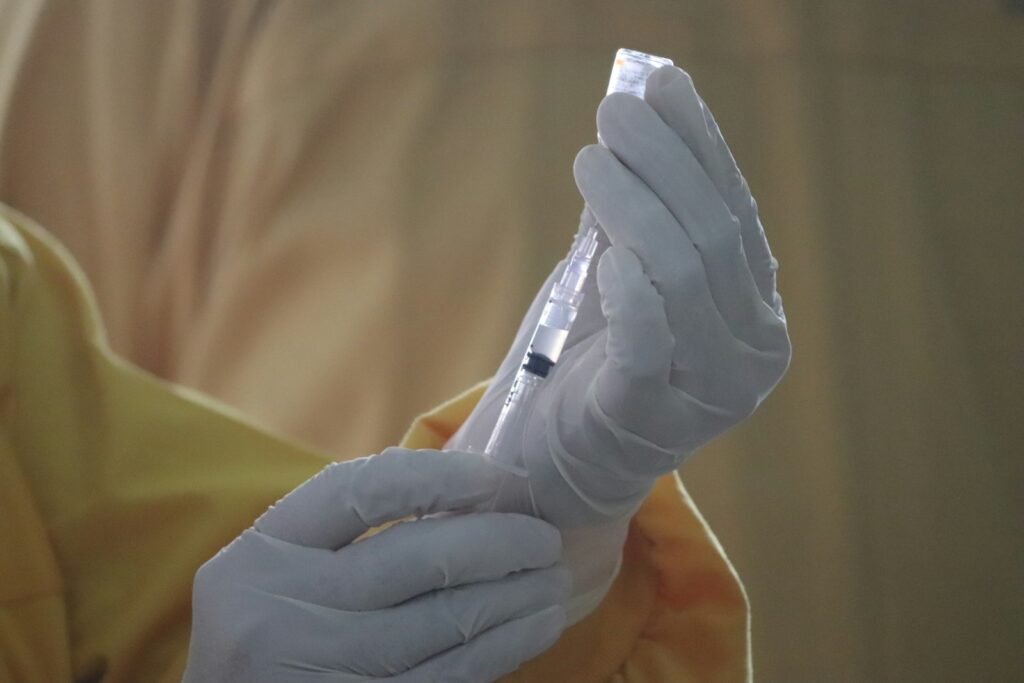
Congo received more than 16,000 doses of the Ervebo vaccine on Friday, a vaccine that proved effective in past outbreaks caused by the more common Zaire strain. The World Health Organization said the doses would also be used in clinical trials for a vaccine specifically targeting the Bundibugyo virus, though no approved vaccine against this strain currently exists.
Frontline Workers Under Strain
More than 40 frontline health workers have died during the response effort, according to reporting on the outbreak, and officials have not said when a vaccine tailored to the Bundibugyo strain might become available to responders. Many people are dying outside of formal treatment centres, according to health officials, making it harder to track the true spread of the virus and to ensure safe burial practices that limit further transmission.
The European Centre for Disease Prevention and Control has said the risk to people living in the European Union and European Economic Area remains very low, while noting that significant gaps in surveillance and epidemiology persist in the affected region. A related, smaller outbreak in neighbouring Uganda was declared over in July after 20 confirmed cases and two deaths.
Why It Matters
The scale and speed of the outbreak have alarmed global health officials, who say the lack of an approved vaccine for the Bundibugyo strain leaves responders with fewer tools than in past Ebola emergencies. With deaths continuing to climb and much of the outbreak’s true extent likely still undetected, the coming weeks are expected to test whether newly deployed vaccine doses and expanded surveillance can meaningfully slow the virus’s spread.