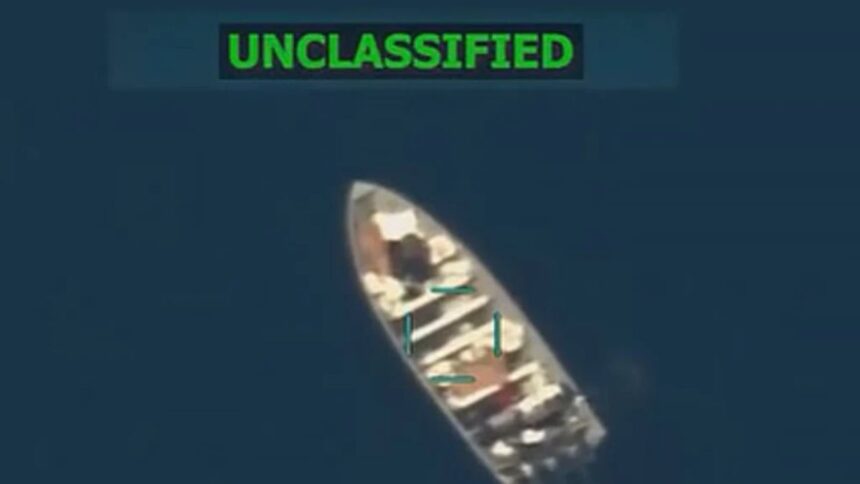
The US military resumed strikes on vessels in the eastern Pacific Ocean this week, killing two people the Pentagon says were trafficking drugs, in the first publicly announced strike of its kind in more than two months.
What Happened
US Southern Command said in a social media statement that it “executed a lethal kinetic strike on a low-profile vessel operating along established narco-trafficking routes in the Eastern Pacific,” adding that intelligence had confirmed the vessel was carrying illegal drugs. As with most of its previous statements on strikes in the region, the Pentagon did not make public any evidence supporting that claim.
The strike brings the overall death toll in the campaign, which began in September 2025, to at least 223 people killed across 67 strikes off Latin America’s Caribbean coast and in the eastern Pacific, according to figures compiled from Pentagon statements. Southern Command has said the campaign has resulted in the destruction of 64 speedboats, three low-profile vessels and one semisubmersible craft since it began.
The Administration’s Position
The Trump administration has argued that designated drug-trafficking organisations pose a national security threat and has said the United States is engaged in an armed conflict with certain cartel groups, a legal framework that has dramatically expanded the military’s role in counter-narcotics operations historically handled through Coast Guard interdictions and law enforcement arrests. Administration officials maintain the strikes are lawful and based on established military targeting procedures and intelligence.
Legal and Rights Concerns
Amnesty International has condemned the strikes as extrajudicial killings that it says amount to crimes under international law.
Critics, including some members of Congress and outside legal scholars, argue that suspected traffickers should be intercepted and prosecuted through the justice system rather than targeted with lethal military force, unless they pose an imminent threat.
Senator Tim Kaine of Virginia has repeatedly challenged the administration’s legal justification for the campaign, while Senator Rand Paul has raised separate questions about the criteria used to determine who can be targeted.
Legal experts have also noted that fentanyl, responsible for the majority of US overdose deaths, is typically trafficked into the country over land from Mexico rather than by sea, raising questions among some analysts about how directly the maritime strikes address the drug crisis they are intended to combat.
The Pentagon’s inspector general announced in May that it would review whether military forces followed the established six-phase Joint Targeting Cycle during the campaign, though the review is focused on procedural compliance rather than the broader legal question of whether the strikes themselves are lawful.
Why It Matters
The resumption of strikes after a two-month pause signals the campaign is likely to continue despite the unresolved legal and political disputes surrounding it.
With the Pentagon inspector general’s review still pending and congressional critics continuing to press for greater transparency, the strikes remain one of the more contested elements of the administration’s approach to combating drug trafficking in the Western Hemisphere.