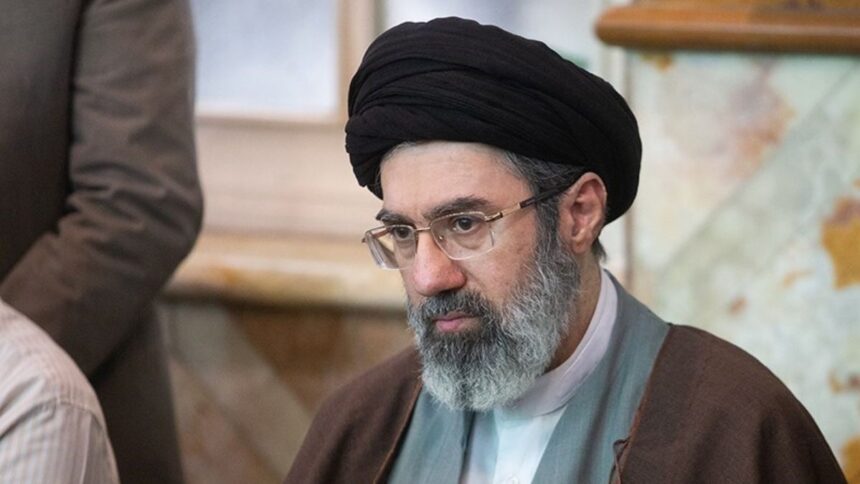
Iran’s Supreme Leader Mojtaba Khamenei urged Gulf rulers on Sunday to identify their “real enemy” and unite against it, even as Tehran keeps the Strait of Hormuz restricted and its economy buckles under the weight of American sanctions.
The appeal, published in a written message marking Islamic Unity Week, came alongside fresh comments from President Masoud Pezeshkian acknowledging that sanctions and the ongoing naval blockade have cut Iranian trade by roughly a third.
A Call for Muslim Unity
“My emphatic and repeated recommendation to the rulers of Islamic countries, especially the countries of West Asia and the Gulf, is to identify your real enemy, understand his plan and confront it,” Khamenei said in the message, published on his Telegram account to mark the birthday of the Prophet Muhammad.
The message called for cooperation and mutual defense among Muslim nations, warning that anyone who creates divisions among Muslims, “knowingly or unknowingly,” helps the enemies of Islam. Khamenei specifically asked Gulf Arab rulers whether “rogues without identity” would have dared covet their lands if the region’s peoples and governments had stood united under the banner of Islam.
The appeal is notable given the recent history between Iran and its neighbors. Since the current war began, Tehran has struck US military facilities and other infrastructure inside several Gulf states, and former Revolutionary Guard commander Mohsen Rezaei warned regional governments earlier this month that Iran would treat them as enemies if they joined Washington’s economic campaign.
Khamenei Still Out of Public View
Khamenei has not appeared in public since being injured six months ago in the US-Israeli airstrikes that opened the war and killed his father, the previous Supreme Leader Ayatollah Ali Khamenei. His recent guidance to the country has come only through a series of written statements.
In a separate message issued Friday, Khamenei said he had banned actions that harm social cohesion inside Iran and urged officials to avoid “discouraging statements” that could weaken national morale, a sign of concern over domestic strain as the conflict drags on.
Iran’s Economy Under Pressure
Pezeshkian told Iranian state media that imports and exports have fallen between 25 and 35 percent because of US sanctions and the naval blockade Washington has maintained on Iranian ports since April. “Some say sanctions have no effect at all. To those people, I really don’t know what to say,” he said.
Iran’s annual inflation reached 66 percent last month, according to figures cited by Al Jazeera. Pezeshkian did point to one bright spot, saying Iran managed to sell roughly 90 million barrels of oil during the brief window in June when a short-lived memorandum of understanding with Washington permitted Iranian oil sales, before the agreement unraveled over disputes about the Strait of Hormuz.
Washington has continued widening its own sanctions campaign in response, targeting Iran-linked individuals and entities and moving to restrict branches of Egypt’s Banque Misr from dollar transactions over its alleged dealings with Tehran.
Diplomacy Continues Alongside the Pressure
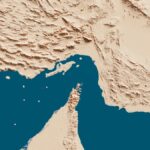
Despite the economic strain, Iran has shown no sign of softening its position on the Strait of Hormuz. Pezeshkian instead called for reviving the June interim agreement with the United States, saying “we can solve our problems and gain our privileges with the memorandum of understanding.”
Iranian officials said over the weekend that Tehran had reached an understanding with Oman on passage arrangements through the strait, though they said it would not be implemented until Washington fulfills what Iran considers its own commitments under the earlier deal. Foreign Minister Abbas Araghchi has held talks in recent days with officials from Oman, Pakistan, and Qatar as part of a wider diplomatic push.
Why It Matters
Khamenei’s outreach to the Gulf comes at an awkward moment, arriving just as Iran continues to inflict economic damage on some of the same neighbors he is now calling to unite with Tehran. Whether the appeal gains any traction will likely depend on how Gulf governments weigh the risk of aligning further with Washington’s sanctions campaign against the risk of appearing to abandon a fellow Muslim nation under pressure, a balance that has shaped the region’s cautious response to the war so far.