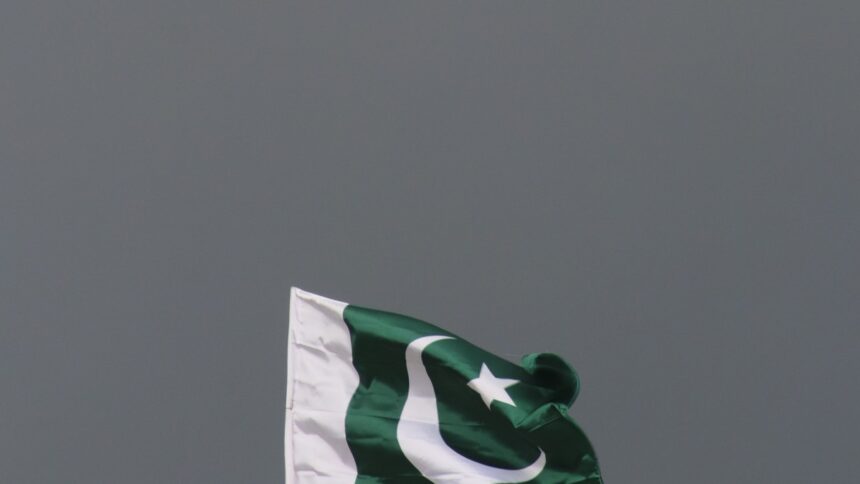
Image: Pakistani national flag. Photo by Azhaan Bashmil / Pexels.
Federal Interior Minister Mohsin Naqvi arrived in Tehran on Sunday for bilateral talks with senior Iranian officials, a visit that comes as Pakistan continues its low-profile diplomatic role between Iran and the United States amid the wider Gulf war.
Iranian Foreign Ministry spokesperson Esmaeil Baghaei told reporters the visit would focus on “bilateral ties and previous understandings” reached at the leadership level between Islamabad and Tehran, according to Iranian and Pakistani outlets. He said he was “not aware of any specific US message or proposal” being carried by Naqvi, framing the trip as bilateral rather than a formal mediation mission.
Pakistan’s balancing act
Even so, the timing places the visit squarely inside Pakistan’s broader effort to keep channels open between Washington and Tehran. Islamabad has positioned itself as one of the few capitals both sides still talk to, according to Dawn and Al Jazeera reporting on the conflict.
Pakistan’s Army Chief, Field Marshal Asim Munir, has made repeated trips to Tehran this year, and Pakistani and Iranian officials have held undisclosed phone conversations alongside public contacts. Iranian sources have described Islamabad’s approach as “silent diplomacy,” with much of the substantive back-and-forth kept out of public view.
That role has grown more delicate as the conflict has widened. Pakistan maintains defense arrangements with Saudi Arabia, including the trilateral Mecca Pact with Turkey, while also preserving its long-standing ties to Iran. Pakistani officials have generally avoided directly confirming or denying specific elements of their outreach, a pattern that has continued around Naqvi’s visit.
A fragile diplomatic track
The visit follows the collapse in August of the so-called Islamabad Memorandum of Understanding, an earlier framework brokered with Pakistani involvement, after Washington and Tehran accused each other of violating its terms. Since then, Iran has kept up contact with Qatari mediators relaying its conditions to the United States.
A senior Iranian security official, Mohsen Rezaei, has laid out three conditions Tehran wants met before re-engaging with Washington: an end to the war “on all fronts,” the release of frozen Iranian assets, and a halt to the US naval blockade of Iran.
The regional backdrop has also grown more volatile in recent days. Houthi forces have struck Saudi Arabia’s King Khalid International Airport and Saudi Aramco facilities, widening a conflict that Pakistan has so far avoided joining militarily, echoing Islamabad’s decision to stay out of direct combat in Yemen a decade ago.
Why it matters for Pakistan
For Pakistan, the stakes go beyond diplomacy. A prolonged Gulf war has already pushed up global oil prices and rattled the Pakistan Stock Exchange, and instability along shipping routes through the Strait of Hormuz carries direct economic consequences for a country reliant on Gulf energy imports and remittances from its large expatriate workforce in the region.
Wire Examiner has followed Pakistan’s mediation push since it began in earnest, including the country’s earlier efforts to press both Washington and Tehran toward de-escalation as the war intensified (previous coverage here). Naqvi’s Tehran trip suggests that effort is continuing even as the broader conflict shows no clear sign of winding down.
No public timeline has been given for a return visit or a formal Iranian response, and officials on both sides have kept details of the discussions closely held.