As the US-Israel conflict with Iran escalates into a more dangerous stage this week, with strikes on Iranian tankers and Iranian missiles hitting a base in Jordan, Pakistan persists in its role as a mediator between Washington and Tehran, a position it has maintained since the conflict started in February.
A Policy of Neutrality
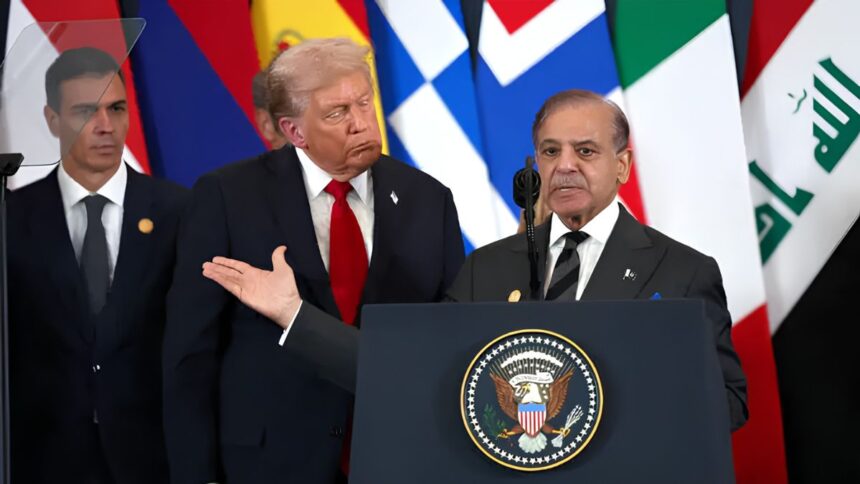
Pakistan’s Ministry of Foreign Affairs has formally condemned the US-Israeli strikes on Iran as well as Iranian attacks on Gulf countries, based on reports from Pakistani and global sources. Prime Minister Shehbaz Sharif has consistently urged an immediate de-escalation of hostilities and discussed this matter with leaders such as Azerbaijani President Ilham Aliyev during phone calls.
Pakistan’s stance highlights its challenging position between two key partners. Islamabad borders Iran for about 900 kilometers and entered a Strategic Mutual Defence Agreement with Saudi Arabia in September 2025. This agreement states that aggression against one country is considered aggression against both, though it does not mandate automatic military response.
Diplomacy Led by the Army Chief
Pakistan’s mediation efforts have largely been led by Field Marshal Syed Asim Munir. In August, Munir and Interior Minister Mohsin Naqvi visited Tehran for high-level discussions, which Pakistani officials noted as making “significant progress” toward ending the conflict, as reported by Al Jazeera.
Earlier, in April, Foreign Office spokesperson Tahir Andrabi said Islamabad intended to keep nudging Washington and Tehran toward negotiations despite acknowledging unspecified “obstacles” in the process, Al Jazeera reported. That effort followed a joint five-point initiative from Pakistan, Egypt, Turkiye and Saudi Arabia calling for an immediate ceasefire and the restoration of normal shipping through the Strait of Hormuz.
Indirect talks between US and Iranian officials were even held in Islamabad in April, though they failed to produce an agreement, according to GlobalSecurity.org.
Why Pakistan Keeps Trying
Pakistan’s stake in ending the war goes beyond diplomacy. Millions of Pakistani workers live and work across Gulf states that have come under Iranian missile and drone fire during the conflict, and continued instability in the Strait of Hormuz threatens to keep global oil prices, and therefore Pakistan’s own fuel import bill, elevated for months to come.
As Wire Examiner reported separately, Brent crude pushed toward 100 dollars a barrel this week after the latest round of US and Iranian strikes, a spike that is already filtering through to pump prices in Pakistan under the country’s new daily fuel pricing system.
An Uncertain Path Forward
As Iran and the United States continue their strikes while negotiations happen concurrently, Pakistan’s role as mediator encounters the same challenges that have hindered past diplomatic efforts. Experts observe that Islamabad’s credibility with Washington and Tehran, combined with its connections to Saudi Arabia and Gulf nations, provides it a unique position at the negotiations table. However, turning this influence into a concrete ceasefire remains difficult.