
No other sport comes close. Football, soccer if you are in the US, is played and followed in more countries than there are member states at the United Nations. Its biggest tournament pulls in billions of viewers in a single month. And yet it started as a chaotic, often violent street game with no fixed rules at all.
Here is how football went from village pastime to the closest thing the world has to a shared global language.
A Game Older Than Most Countries
Kicking a ball around is not a modern idea. Versions of the game go back roughly 2,000 years, including “cuju,” a ball game played by soldiers in China’s Han Dynasty. Ancient Greek, Roman, and Central American cultures all had their own ball-and-foot games long before anyone called it “football.”
The version that shaped the modern game came out of England. By medieval times, English villages played rough, rule-free matches that could last for days and involve entire towns. It was not pretty, but it planted the idea that would eventually become the world’s game.
One Set of Rules Changes Everything
The real turning point came in 1863, when the Football Association was formed in England to standardize the rules: no more using hands, one round ball, consistent scoring. That single act of organization is arguably the most important moment in the sport’s history. It turned a scattered folk tradition into something that could be taught, exported, and played the same way anywhere in the world.
From there, the game spread fast. The first official international match was played between Scotland and England in 1872. Within decades, British sailors, traders, and workers had carried the sport to ports and colonies across the globe, planting it in South America, Africa, and Asia.
Why It Stuck: Simplicity Beats Everything
Plenty of sports spread through colonial trade routes. Football is the one that took over almost everywhere, and the reason comes down to accessibility. All you need is a ball and a flat patch of ground. No expensive equipment, no specialized field, no minimum number of players. A street, a beach, or a dirt patch works just fine.
That low barrier to entry mattered most in places without money for organized sports infrastructure. Working-class communities across Europe and South America adopted the game almost immediately, and some of the sport’s greatest players, including Brazilian stars Ronaldo Nazario and Neymar, got their start playing informally in the streets, not in academies.
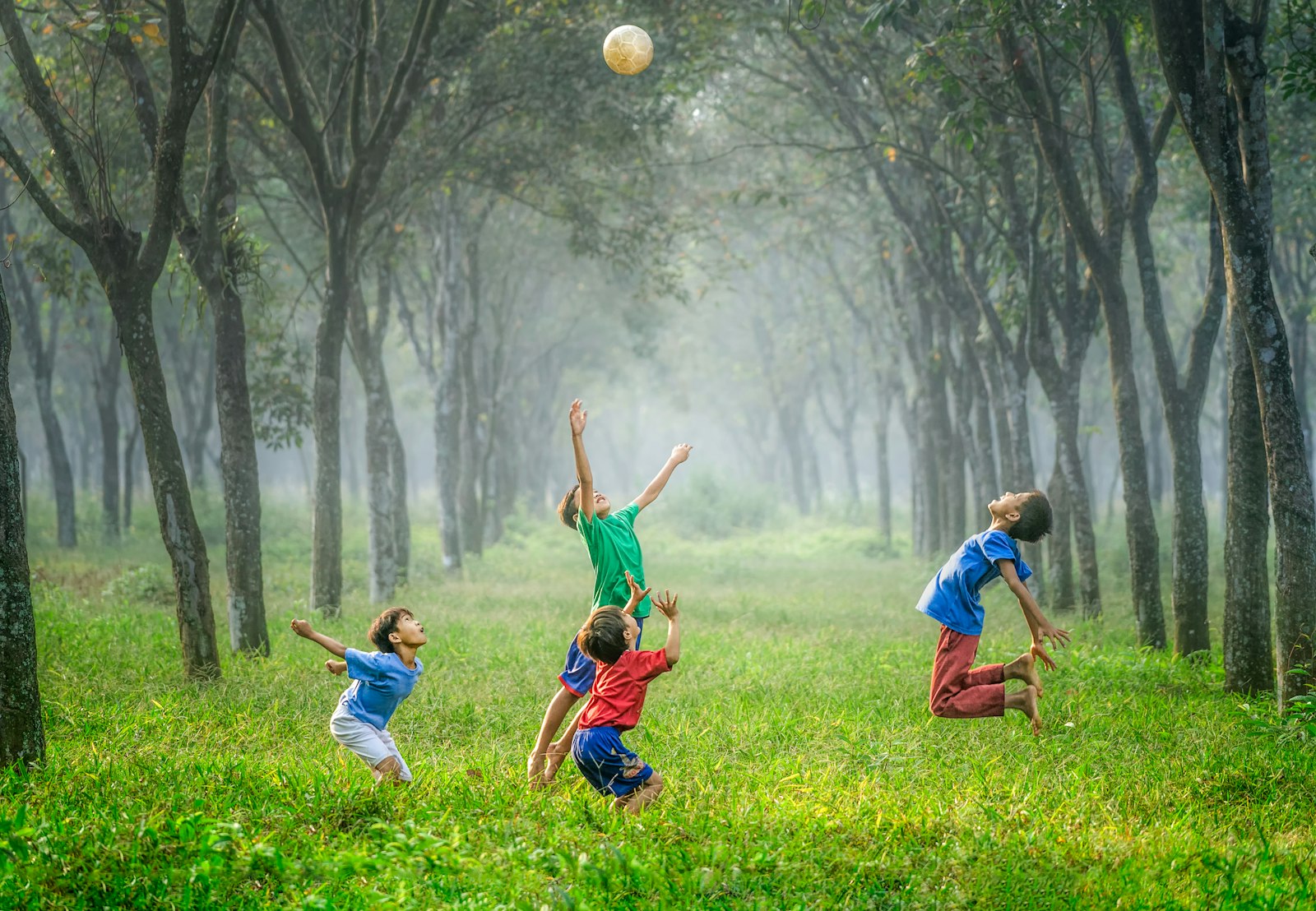
The rules help too. A goal is always worth one point. There is no confusing scoring system to learn. A child can understand the entire objective in about thirty seconds, which is part of why football tends to be the first sport many kids fall in love with, regardless of where they grow up.
The World Cup: Football’s Biggest Amplifier
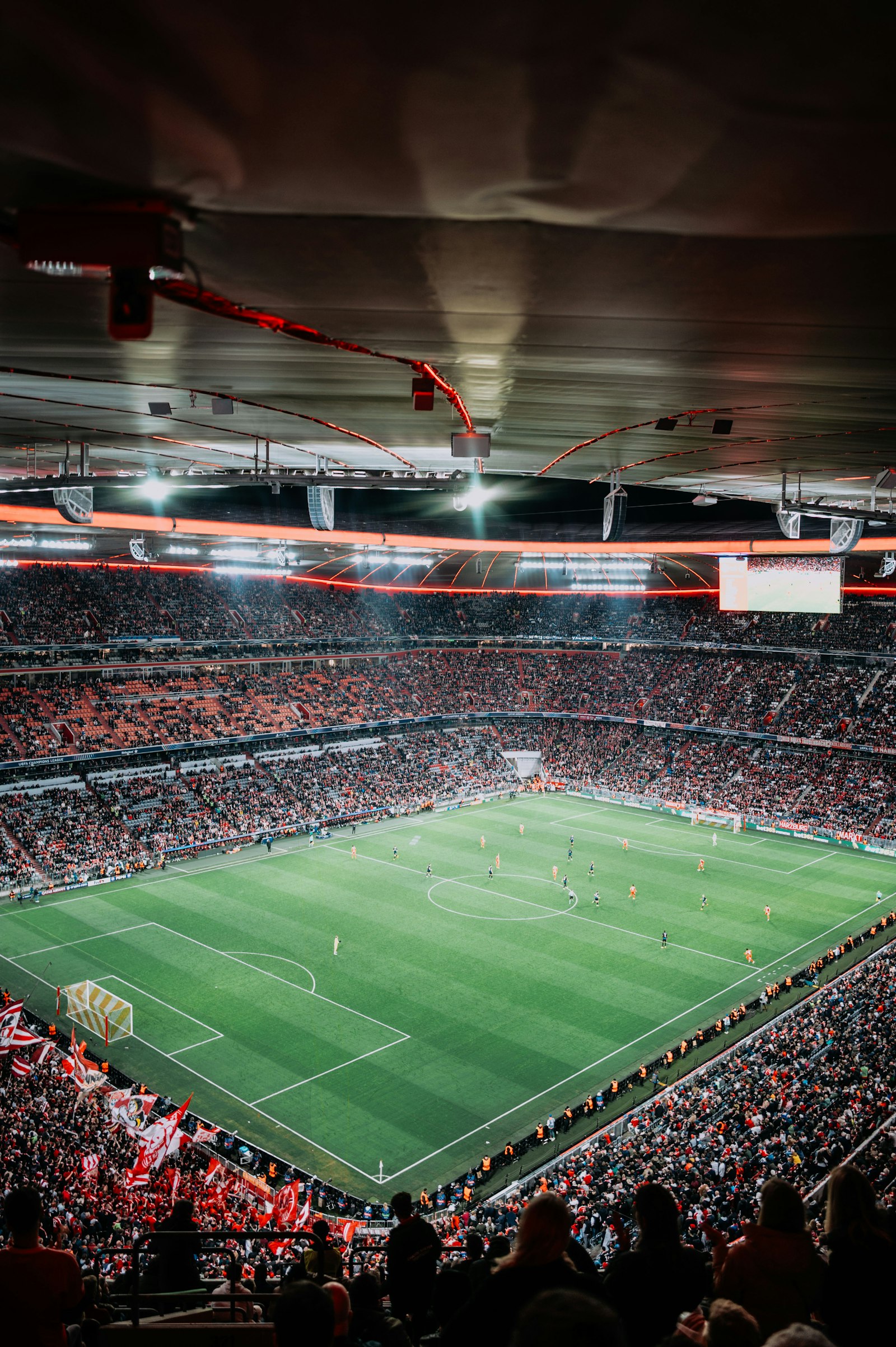
If simplicity got football into every backyard, the FIFA World Cup is what turned it into a planet-wide event. The first tournament was held in 1930 with just 13 nations. Today, FIFA counts 211 member associations, more than the number of countries recognized by the United Nations.
The tournament has become the biggest recurring media event on Earth. The 2026 World Cup, hosted across the United States, Mexico, and Canada, is estimated to have drawn around 5.5 billion viewers, with the final played between Spain and Argentina alone watched by well over a billion people. No Super Bowl, no Olympics opening ceremony, nothing else on the calendar reaches that kind of global audience in one sitting.
A Sport With No Real Rival
By most measures, fans, active players, and countries where it is organized at a national level, football leads every other sport, often by a wide margin. Estimates put its global fan base at roughly 3.5 billion people, with cricket a distant second at around 2.5 billion, concentrated mostly in South Asia.
It is genuinely unusual for one sport to dominate so many different measures at once. Cricket’s popularity is concentrated in a handful of countries. American football, despite massive revenue, is overwhelmingly a US phenomenon. Basketball has strong global reach but has not touched football’s numbers. Football is the only sport that is simultaneously the most played, the most watched, and the most organized, across nearly every region on Earth.
The Bottom Line
Football’s dominance is not an accident of marketing or money; those came later. It is the product of a game simple enough for anyone to play with almost nothing, spread by trade and empire at exactly the right historical moment, then organized just enough to travel the world without losing what made it work in the first place. Nearly 165 years after a handful of Englishmen wrote down a common set of rules, that formula still has not been beaten.