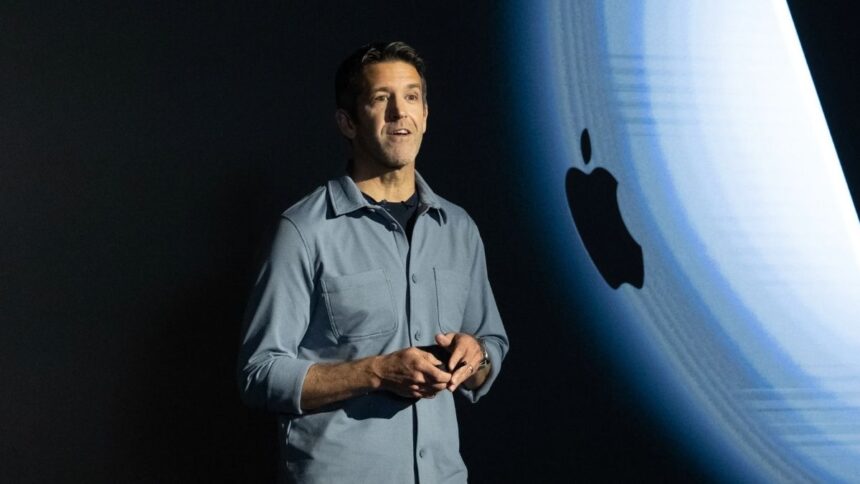
John Ternus takes over as Apple’s chief executive on Tuesday, stepping into a company that dominates the smartphone market but has fallen behind rivals on artificial intelligence.
The handover ends Tim Cook’s 15-year run at the top. It replaces the operations specialist who built Apple’s global supply chain with the engineer who built its hardware.
Who Is John Ternus
Ternus, 51, joined Apple’s design team back in 2001. He rose through the ranks to become senior vice president of hardware engineering, reporting directly to Cook.
He leads the engineering teams behind Apple’s entire product lineup, including the iPhone lineup that drives most of the company’s revenue. Inside Apple, he is credited with pushing products toward greater durability and reliability, along with design changes that reduced their environmental footprint.
He holds a mechanical engineering degree from the University of Pennsylvania and worked as an engineer at Virtual Research Systems before joining Apple.
A Fast Start
Ternus has barely a week to settle into the role. Apple holds its annual iPhone event on September 9, where the company is expected to unveil its first foldable handset.
Dan Ives, partner and senior managing director at Yorkville Ives & Co, said Cook left the company in strong shape, and that the real test now is how Ternus shapes Apple’s AI strategy going forward. Ives expects Ternus to lean into what he already knows well, focusing on hardware innovation while leaving Cook’s supply chain largely intact.
Some analysts had argued that software chief Craig Federighi was the more logical successor, given how far Apple trails competitors on AI. Creative Strategies analyst Carolina Milanesi pushed back on that view, arguing that consumers still buy hardware first and that AI’s value only becomes clear once people already own the device.
Cook’s Endorsement
In a farewell memo to employees, Cook praised Ternus’s ability to build products with global impact, signaling confidence in the choice even as questions remain about how Ternus will handle responsibilities well outside his engineering background.
Milanesi noted that even people who know Ternus well have only seen him as an engineering leader, not as a chief executive, and that the demands of the top job will inevitably change how he operates.
The Geopolitical Test
The biggest unknown may be geopolitics. Cook spent years courting both Beijing and the Trump White House to protect a supply chain built largely around China.
Apple’s manufacturing network is one of the most complex in corporate history, spanning hundreds of suppliers and assembly lines. Cook has gradually shifted some production to India and Vietnam in recent years, but China remains central to the system and continues to be one of Apple’s largest consumer markets.
President Trump has repeatedly pushed Apple to manufacture iPhones domestically, threatening tariffs on units built overseas. Cook largely avoided the worst of that pressure by engaging Trump directly, making US investment pledges and political donations, all while keeping Beijing on good terms.
That balancing act will be new territory for Ternus. Analysts note he knows Apple’s hardware operations intimately but has far less experience navigating the kind of high-stakes political relationships Cook managed largely on his own.
Cook Stays Close
Cook is not stepping away entirely. He becomes executive chairman of Apple’s board the same day Ternus takes over, with a mandate that includes continuing to engage policymakers around the world.
Analysts have described the arrangement as a smart transition structure, since it frees Ternus from having to immediately take on the diplomatic role Cook built and managed largely by himself over the years.
Why It Matters
The September 9 iPhone event will offer the first real public test of the leadership change. A foldable iPhone would mark the most significant redesign of the device in years, and Ternus will be presenting it just eight days into the job. How he handles that debut, and the AI questions that follow, is likely to shape early perceptions of his tenure at the helm of the world’s most valuable company.