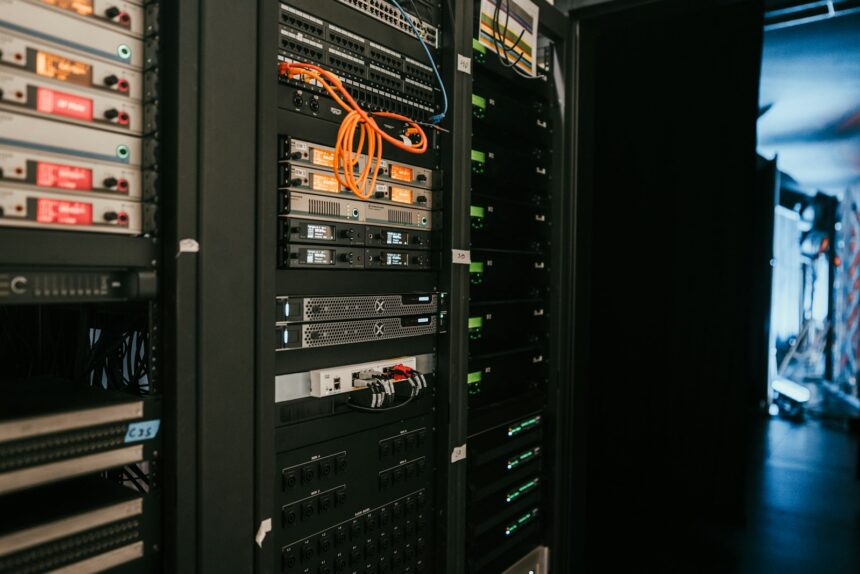
Every AI query, every cloud backup, every streamed video runs through a data center somewhere, and those buildings have quietly become one of the fastest-growing sources of carbon emissions and freshwater strain on the planet. This is not a future problem. It is happening right now, and the numbers from 2025 and 2026 are bigger than almost anyone predicted even two years ago.
Here is what the latest research actually shows, what experts are saying about where this is headed, and what it could mean for the environment if current trends continue.
The Carbon Numbers Are Worse Than Official Estimates
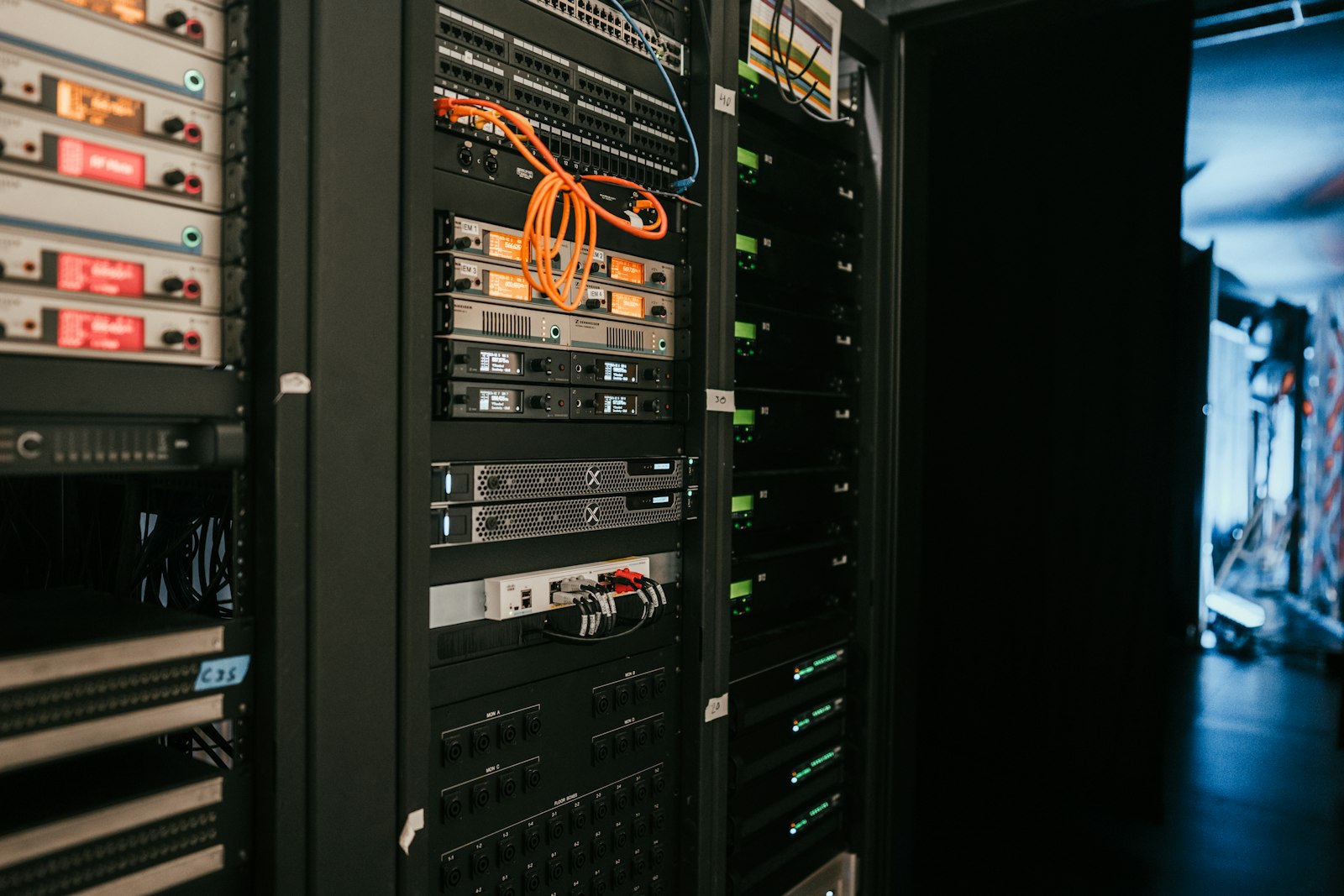
According to the International Energy Agency, global data centers consumed about 415 terawatt hours of electricity in 2024, roughly 1.5 percent of the world total. That number is projected to more than double to 945 terawatt hours by 2030, driven almost entirely by AI. Under the IEA base case, carbon emissions from data center electricity use are expected to climb from around 180 million tonnes today to somewhere between 300 and 320 million tonnes by 2030.
But a study released in mid-2026 by Allianz Trade, the credit insurance arm of the global insurer Allianz, found the real picture is already worse. It estimated that data centers emitted 286 million tonnes of CO2 in 2025 alone, 57 percent higher than prior IEA projections. AI already accounts for 15 to 20 percent of data center electricity use, and that share could hit 40 percent by 2030. The same study warned that without serious grid decarbonization, emissions could more than double again by 2030, pushing annual climate damages from an estimated 68 billion dollars up to 154 billion dollars, with AI alone responsible for over 50 billion dollars of that damage.
Independent researchers have also found that official emissions figures reported by tech companies tend to understate reality. One analysis found that actual emissions from data centers owned by Google, Microsoft, Meta, and Apple between 2020 and 2022 were likely more than seven times higher than what those companies officially reported, largely because of how renewable energy credits are used to offset numbers on paper without necessarily reflecting what is happening on the actual local grid.
Where the Emissions Actually Come From
Not all data center electricity is equally dirty. In the United States, natural gas supplies over 40 percent of data center electricity today, with renewables at around 24 percent and the rest split between nuclear and coal. In China, coal still dominates the data center power mix. That regional difference matters enormously, since a data center running on a coal-heavy grid can produce several times more emissions per unit of compute than one running on a cleaner grid, even while doing the exact same work.
This is also why some of the most tech-saturated regions in the world are already feeling the strain directly. In Ireland, data centers account for around 21 percent of national electricity use, a figure the IEA expects to climb to roughly a third by 2026. In Dublin specifically, that number is closer to 79 percent. In the US state of Virginia, home to the densest concentration of data centers on Earth, facilities already consume 26 percent of the state’s electricity.
The Water Problem Nobody Saw Coming
Carbon gets most of the attention, but water usage has become an equally urgent issue, and in some ways a more locally destructive one. Data centers need constant cooling to keep servers from overheating, and the cheapest, most common method for decades has been evaporative cooling, essentially large-scale industrial sweating, where water absorbs heat and evaporates into the air rather than being reused.
The scale involved is hard to overstate. A single large hyperscale data center can use up to 5 million gallons of water a day, roughly the same daily demand as a town of 10,000 to 50,000 people. Google’s own 2026 Environmental Report disclosed that the company consumed 10.9 billion gallons of water globally in 2025, a 34 percent jump from the year before and more than double what it used in 2021. Microsoft reported around 1.7 billion gallons in its most recent disclosure, also up sharply year over year, while Amazon disclosed 2.5 billion gallons in 2025.
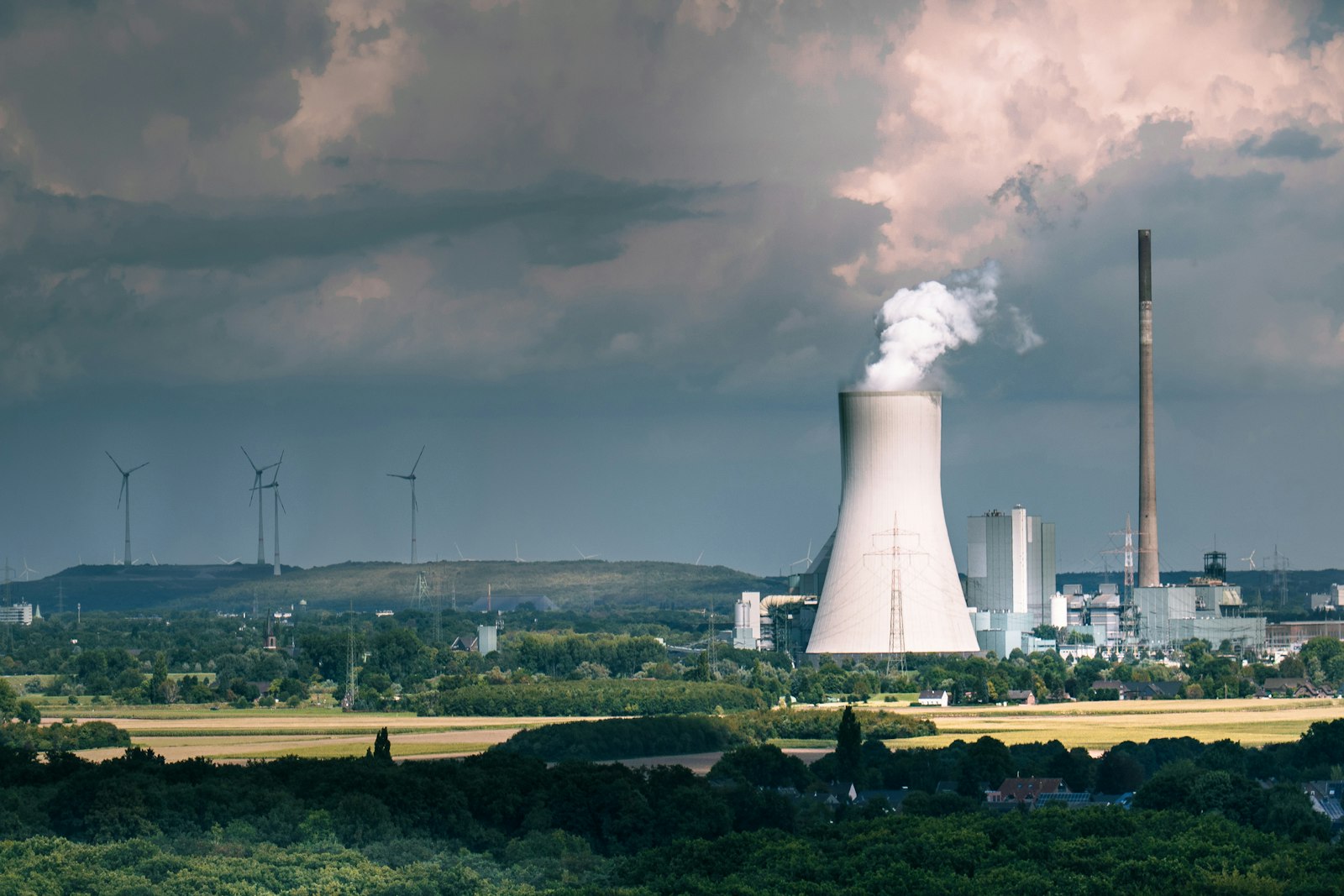
Training a single large AI model adds to that total on top of daily operations. Researchers at the University of California, Riverside estimated that training GPT-3 consumed roughly 700,000 liters of water for cooling alone. A separate analysis found that training GPT-4 at Microsoft’s Iowa facilities used 11.5 million gallons in July 2022 and 13.4 million gallons the following month, which the researchers noted was roughly equal to the monthly water use of 130,000 Americans, for a single training run.
Location changes everything. Google has disclosed that its Council Bluffs, Iowa facility, which uses evaporative cooling towers, consumed about 1 billion gallons of water in 2024. Its Pflugerville, Texas facility, which relies on air cooling instead, used roughly 10,000 gallons in the same year, for the same kind of AI workloads. That is a difference of 100,000 times between two data centers owned by the same company, purely based on which cooling technology was chosen.
The bigger concern is not the national total, since data centers still represent a small fraction of overall water use in most countries. It is where the water is being drawn from. More than 160 new AI data centers have been built across the US in the past three years, and many sit in already water-stressed regions like Arizona and Texas. That local concentration has already triggered water-related moratoriums or restrictions on new data center construction in more than 50 cities.
What Experts Are Actually Saying
Not everyone agrees on how alarmed the public should be. Dr. Amy Luers, Microsoft’s Senior Global Director of Sustainability, has argued that anchoring conversations in trusted sources like the IEA helps cut through exaggerated or misleading claims that circulate online, while also cautioning that IEA numbers should not be treated as the only source of truth given how fast the field is moving. Researchers at UC Riverside, whose work has become some of the most cited in this space, have pushed for far greater transparency from tech companies, pointing out that most sustainability reports still fail to separate AI-specific workloads from general cloud computing, making it genuinely difficult to know how much of the footprint is actually driven by AI versus everything else data centers have always done.
There is also real disagreement about severity. Some analysts, including at Morgan Stanley, have projected data center emissions could triple by 2030, reaching the equivalent of 40 percent of the entire United States’ current emissions. The IEA’s own projections are notably more conservative, estimating data centers will still represent less than 1 percent of total global CO2 emissions even at their 2030 peak. Both projections can be technically correct at once, since data centers could triple their own emissions while still remaining a small slice of a much larger global total. The disagreement is really about which number matters more to focus on.
What Is Actually Changing
The industry is not standing still, mostly because the current approach has become physically unsustainable at the density modern AI chips require. Nvidia’s newest AI accelerators generate so much heat per rack that air cooling simply cannot keep up anymore, and the company now mandates liquid cooling for its top-tier chips, with no air-cooled alternative offered. That is forcing a much broader industry shift toward direct-to-chip and immersion liquid cooling, which can cut direct water use by 70 to 90 percent compared to older evaporative systems.
On the energy side, tech companies have committed to financing more than 20 gigawatts of small modular nuclear reactors to help power future data centers with low-emissions electricity, though most of these projects will not come online until after 2030. Google, Microsoft, and Amazon have also each pledged to become water positive or water neutral by the early 2030s, meaning they aim to replenish more water than they consume through local watershed restoration projects. Google says it already replenished 78 percent of its 2025 consumption through 165 such projects.
What This Means for the Environment Going Forward
The honest answer is that both realities are true at once. Data centers remain a small share of global emissions and global water use in the aggregate. But the growth rate is genuinely extreme, the impact is heavily concentrated in specific regions and communities, and current disclosure from major tech companies is not yet good enough to fully separate what AI is actually responsible for versus everything else.
If cooling technology continues shifting toward liquid systems and grids continue adding renewable and nuclear capacity fast enough to keep pace with AI demand, the IEA’s more optimistic projection, where emissions plateau around 2030 and stay under 3 percent of global electricity generation, is achievable. If grid decarbonization lags behind AI’s growth rate, which is what has largely happened over the past two years, the more alarming projections from groups like Allianz Trade and Morgan Stanley become the more likely outcome instead.
Either way, the era of data centers being an invisible, background part of the internet is over. They are now large enough, thirsty enough, and carbon-intensive enough to show up directly in local electricity bills, regional water restrictions, and national climate targets, and that is unlikely to change as AI adoption keeps accelerating.